Cold Showers
Easy access, good for daily use.
Cost: Free!
Have you ever wondered how something as simple as cold water could transform your physical and mental well-being? Cold water therapy isn't just a trend; it has deep roots in various cultures and offers a range of benefits that can invigorate both body and mind. From enhancing recovery after workouts to improving mood and clarity, the potential of cold exposure is intriguing!
Here’s a visual representation of the different modalities of cold water therapy, their efficacy, and cost considerations.
Easy access, good for daily use.
Cost: Free!
Effective for intense recovery.
Cost: Requires ice, can be pricey.
Great for immersion therapy.
Cost: Moderate to high investment.
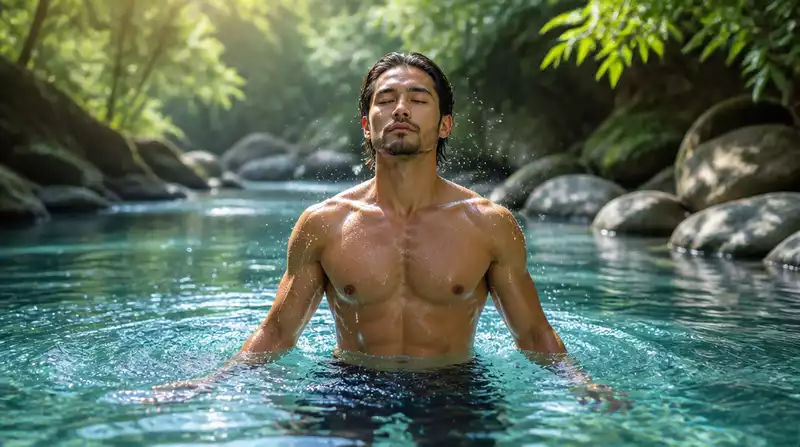
Cold water therapy has become a buzzword in health and wellness circles, but what does it really mean? At its core, cold water therapy includes various methods that expose the body to cold temperatures. This practice can range from chilly showers to ice baths or even cold plunges. Each technique offers unique benefits, making it an intriguing topic for anyone interested in enhancing their well-being, much like exploring the advantages of acupuncture for overall wellness!
As someone who deeply values the mind-body connection, I find that cold water therapy connects physical sensations with mental clarity. These practices not only invigorate the body but also can create a sense of calm and focus. Plus, they have roots in many cultures and traditional healing methods, which adds to their appeal!
Cold water therapy involves exposing your body to cold water to stimulate various physiological and psychological benefits. This exposure can activate your body's natural healing processes, making it a powerful addition to your wellness routine. Whether you're an athlete looking to speed up recovery or someone seeking mental clarity, cold water therapy may have something for you!
Incorporating cold exposure into your daily routine can lead to improved mood, enhanced circulation, and even better sleep. It's fascinating how something so simple can have such profound effects on our overall health, right? I often encourage my readers at Healing Wisdom Today to explore different methods of cold exposure and find what resonates with them, perhaps alongside other beneficial practices like mindfulness in holistic healing.
There are several popular methods for practicing cold water therapy. Each type offers its unique experience and benefits. The most common methods include:
As you consider which type might work best for you, think about your personal goals. Do you want a quick boost in the morning? A cold shower might be perfect! Or, are you looking for a deeper recovery tool after intense exercise? An ice bath could be just what you need.
While cold showers, baths, and plunges are more accessible options, there are specialized treatments like cryotherapy and hydrotherapy. Cryotherapy involves exposing the body to extremely cold air for a short period, often in a chamber that can drop temperatures to below zero! This method is gaining popularity for its purported benefits, including faster recovery times and improved athletic performance.
Meanwhile, hydrotherapy focuses on the therapeutic use of water in various temperatures, including cold. This practice can include cold compresses or cool baths to alleviate pain and inflammation. As we dive into the world of cold water therapy, it's essential to understand these different methods to find what aligns best with your needs and wellness journey. This exploration is similar to discovering the best local acupuncture clinic for your specific health goals.
Have you tried cold water therapy? If so, what method did you use and how did it impact you? Share your thoughts below:
As we explore the fascinating world of cold water therapy, it's crucial to separate the science from the hype. While many people swear by its benefits, we need to look closely at the research backing these claims. At Healing Wisdom Today, I believe in the power of evidence-based practices. So, let’s dive into what the studies say about the healing effects of cold water therapy!
Research has shown various outcomes related to cold water exposure. While some studies highlight improvements in recovery and mental health, others urge caution. This duality highlights the importance of understanding the nuanced effects of cold water therapy on our bodies. Here are some key findings from the research:
There’s no shortage of enthusiasm surrounding cold water therapy, but the scientific community urges us to tread carefully. Several studies support the idea of cold exposure aiding muscle recovery and reducing soreness. However, some of these studies also emphasize the need for more comprehensive research to draw definitive conclusions. The reality is that while cold water therapy may benefit many, it's not a one-size-fits-all solution.
Many researchers point out that the mechanisms behind the benefits are still being investigated. It's about time we celebrate the positives while acknowledging the limitations of current findings. Here’s a brief overview of the healing effects reported:
Although the current findings are promising, it's essential to recognize that long-term clinical data is still lacking. As someone passionate about alternative healing, I see this as an opportunity for more in-depth research to emerge. Without robust long-term studies, we can’t fully understand the implications of regular cold water therapy. The community at Healing Wisdom Today is committed to keeping an eye on emerging research so we can share the most reliable insights with you!
In the meantime, it’s wise to approach cold water therapy with realistic expectations. While it can be a valuable tool in your wellness journey, it’s important to understand its potential limits. Let’s look at what we might find in future studies that can help paint a clearer picture, much like exploring nutrition in alternative healing:
Now that we’ve discussed the research, let’s dive into the different modalities of cold water therapy. Understanding the options available will help you find the best fit for your needs. Each method offers unique advantages, and it’s essential to weigh these factors when considering cold exposure.
The three most common modalities are cold showers, ice baths, and cold plunges. Each has its own set of benefits and drawbacks. Here’s a quick comparison to help guide your decision:
| Method | Efficacy | Cost |
|---|---|---|
| Cold Showers | Easy access, good for daily use | Free! |
| Ice Baths | Effective for intense recovery | Requires ice, can be pricey |
| Cold Plunges | Great for immersion therapy | Moderate to high investment |
As with many wellness practices, the effectiveness of cold water therapy can vary significantly based on age and gender. It's fascinating to see how different bodies respond to cold exposure! Research indicates that while younger individuals may experience quicker recovery benefits, older adults might find it more challenging to adapt to cold temperatures. Here are some considerations for different demographics:
Lastly, let’s touch on contrast bath therapy, a fascinating approach that alternates between hot and cold water. This technique can enhance circulation and aid in recovery, making it a great addition to your wellness toolkit. Here’s a quick overview of its benefits:
In conclusion, understanding the science and modalities behind cold water therapy allows us to embrace it mindfully. Whether you're a seasoned practitioner or just starting, I encourage you to explore these methods and find what resonates with you. Remember, at Healing Wisdom Today, we’re here to support you every step of the way in your healing journey! You can also find valuable insights on holistic ways to manage pain through various natural therapies.
Here is a quick recap of the important points discussed in the article:
As a passionate advocate for holistic health and alternative healing methods, I explore diverse wellness practices and herbal remedies. With a background in integrative therapies and a deep-rooted belief in the mind-body connection, my mission is to empower individuals on their healing journeys. Through insightful resources and expert perspectives, I aim to promote a balanced and enriched lifestyle for all.