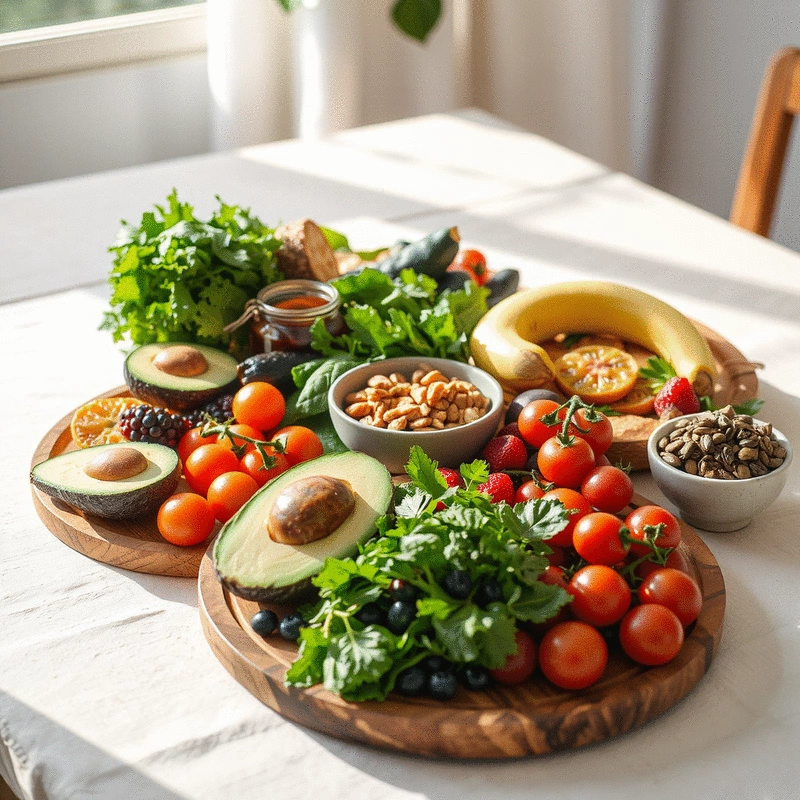
Nutrient Rich
Plant-based diets are abundant in vitamins, minerals, and antioxidants, which play a crucial role in maintaining health.
Did you know that adopting a plant-based diet can dramatically improve your overall well-being? Scientific studies consistently highlight the transformative effects of incorporating more plant foods into our meals. This article delves into the principles of plant-based eating, the health benefits it offers, and practical advice for making this dietary shift.
The significant benefits of embracing a plant-based diet can be categorized into three key areas, profoundly impacting overall harmony in healing:
Plant-based diets are abundant in vitamins, minerals, and antioxidants, which play a crucial role in maintaining health.
They significantly reduce the risk of heart disease and stroke, thanks to high fiber and low saturated fat content.
These diets are effective for weight loss and management, making it easier to maintain a healthy body weight.
The fiber-rich foods in a plant-based diet support healthy digestion and promote a balanced gut microbiome.
Have you ever wondered how changing your diet can significantly impact your health and well-being? At Healing Wisdom Today, I am passionate about exploring the transformative effects of plant-based diets. This article will guide you through the essential principles of plant-based eating and its profound role in healing and overall health.
When we talk about plant-based diets, we’re diving into more than just veganism or vegetarianism. A plant-based diet primarily focuses on whole, unprocessed plants, while still allowing for some flexibility in food choices. This means that you might include small amounts of animal products, but the heart of your meals comes from fruits, vegetables, grains, legumes, seeds, and nuts.
This approach can be a gateway to embracing a healthier lifestyle without feeling restricted. By incorporating more plant-based foods, we nurture our bodies and honor our connection to nature. It’s about finding balance and discovering what works best for you and your well-being! For more on balanced health, consider understanding holistic nutrition key principles.
To create a nourishing plant-based diet, consider including the following key components:
One of the critical aspects of a successful plant-based diet is the emphasis on whole foods. Whole foods are less processed and retain their natural nutrients, while processed foods often contain additives that can detract from their health benefits. Choosing whole foods can lead to a more fulfilling eating experience and greater long-term health.
At Healing Wisdom Today, I encourage you to focus on nourishing your body with foods that promote healing. By opting for whole foods over processed options, you'll likely feel more energized and satisfied. Remember, it’s about building a lifestyle that aligns with your wellness goals!
Research has increasingly highlighted the benefits of plant-based diets. Studies like the Plant Diet Index (PDI), EPIC-Oxford, and NHANES provide compelling evidence that plant-based eating can lead to improved health outcomes. These studies reveal that individuals who adhere to a plant-based diet tend to experience lower rates of chronic diseases.
Understanding the science behind these findings can empower us to make informed dietary choices. It’s fascinating to see how simple changes on our plates can lead to profound benefits for our bodies!
Numerous studies show a strong connection between plant-based diets and a reduced risk of chronic diseases. Some notable benefits include:
By embracing a plant-based lifestyle, we’re not just changing what we eat; we’re investing in our long-term health and happiness!
Clinical studies continue to support the idea that plant-based diets can play a significant role in preventing diseases like cancer and heart disease. Research indicates that diets rich in fruits, vegetables, and whole grains can lower inflammation, improve heart health, and reduce cancer risk. This connection underscores the importance of integrating plant foods into our daily meals! For more ways to support your well-being, exploring your local acupuncture clinic could offer additional benefits.
At Healing Wisdom Today, I believe that every bite we take can either fuel our body or detract from our health. Let’s explore how we can make conscious choices that benefit our well-being!
Heart disease is one of the leading health issues today, and adopting a plant-based diet can help lower the risk significantly. Plant foods are typically lower in saturated fats, which can contribute to heart health. By focusing on foods like whole grains, legumes, and vegetables, we can support our hearts in a nourishing way!
Isn't it amazing how a simple dietary shift can create such a positive impact? Heart health is just one of the many benefits of embracing a plant-based lifestyle.
Did you know that following a plant-based diet can also help in reducing the incidence of type 2 diabetes? Research shows that a diet rich in whole foods can improve insulin sensitivity and help maintain healthy blood sugar levels. This means that by choosing the right foods, we can take charge of our health!
As we nourish our bodies with wholesome, plant-based ingredients, we’re not just fueling ourselves; we’re actively working towards preventing metabolic diseases.
Plant foods are packed with vitamins, minerals, and antioxidants that support our immune function. Foods like garlic, ginger, and colorful fruits and vegetables contribute to our body’s ability to fight off infections and maintain overall wellness. By prioritizing these foods, we can give our immune systems a natural boost!
At Healing Wisdom Today, I love emphasizing the beauty of nature’s bounty. Our plate can be a canvas for health and healing!
Antioxidants, fiber, and phytochemicals found in plant foods play a crucial role in controlling inflammation in the body. These compounds help combat oxidative stress, which can lead to various health issues. Incorporating foods like berries, leafy greens, and nuts can help to reduce inflammation and promote healing.
Remember, inflammation is often linked to chronic health problems, and making mindful choices to include these foods can create a lasting impact!
Did you know that your gut health is closely tied to the foods you eat? A plant-based diet rich in fiber from fruits, vegetables, and grains helps maintain a healthy gut microbiome. This, in turn, aids digestion and enhances nutrient absorption, contributing to overall well-being.
By promoting gut health through our food choices, we can create a strong foundation for our health journey!
Plant-based nutrition can play a vital role in recovery from wounds and surgery. Nutrient-rich foods enhance healing processes, providing essential vitamins and minerals that support tissue repair. Incorporating foods high in vitamin C, protein, and zinc can be especially beneficial during recovery. For those interested in complementary healing methods, exploring herbal supplements for holistic health can provide further insights.
It's incredible how nourishing our bodies with the right foods can facilitate healing after surgery!
Emerging research suggests that a plant-based diet may offer hope in reversing autoimmune diseases. The anti-inflammatory properties of plant foods can help reduce symptoms and improve quality of life. This highlights the importance of making conscious dietary choices that align with our health goals.
At Healing Wisdom Today, I’m dedicated to uncovering these connections and empowering individuals in their healing journeys!
While plant-based diets offer numerous health benefits, it's essential to be mindful of potential nutritional deficiencies. Key nutrients to watch include vitamin B12, iron, and omega-3 fatty acids. It’s vital to ensure you're getting adequate amounts from food sources or supplements.
Being aware of these nutrients can help you make informed choices that support your overall health!
Some studies have raised concerns about higher risks of bone fractures and strokes among certain vegan populations. A well-planned plant-based diet is essential to mitigate these risks. Ensuring adequate calcium and vitamin D intake is crucial for maintaining bone health.
At Healing Wisdom Today, I advocate for a balanced approach to plant-based eating that prioritizes nutrient adequacy!
Here are some common questions about plant-based diets and their benefits:
Visual aids can enhance our understanding of plant-based diets and their benefits. Infographics illustrating the Plant Diet Index (PDI) scoring can provide clear insights into how to evaluate plant-based meals. Including healing recipes can inspire readers to experiment with cooking!
Creative visuals can transform complex information into digestible, engaging content!
Real-life testimonials and case studies can motivate individuals considering a plant-based lifestyle. Sharing success stories of those who’ve experienced positive changes can inspire others to take the plunge. These narratives can create a sense of community and support!
At Healing Wisdom Today, I believe in the power of shared experiences to encourage others on their wellness journeys!
Meal planning is a practical way to ensure you’re meeting your nutritional needs on a plant-based diet. Consider these tips for effective meal planning:
With a little planning, transitioning to a plant-based diet can be seamless and enjoyable!
Athletes may have unique nutritional needs that require careful attention on a plant-based diet. It’s crucial to focus on adequate protein intake and energy sources. Foods like legumes, quinoa, and nut butter can help support performance and recovery.
By tailoring plant-based nutrition, we can empower active individuals to meet their goals!
Older adults may also benefit from a plant-based diet, but adjustments may be necessary. Focusing on nutrient-dense foods that are easy to digest can support their health. Ensuring sufficient protein and calcium intake is especially important for maintaining strength and bone health.
It’s vital to adapt dietary choices to fit the specific needs of different populations!
As we explore plant-based diets, it’s essential to consider the ethical implications and sustainability of our food choices. Eating locally sourced, seasonal produce can minimize environmental impact while promoting health. Emphasizing ethical eating fosters a deeper connection with our food and the planet.
At Healing Wisdom Today, I believe that informed choices lead to a more sustainable and compassionate lifestyle! Discover more about sustainable living and mindfulness in holistic healing to enhance your overall well-being.
Did you know that planning your meals can significantly enhance your success on a plant-based diet? By dedicating a little time each week to prepare your meals, you can ensure variety and balance, making it easier to meet your nutritional needs. Consider incorporating themes for each day, such as "Meatless Mondays" or "Whole Grain Wednesdays," to keep your meals exciting and fulfilling!
As we wrap up our exploration of plant-based diets, it’s clear they offer remarkable health benefits that align with the mission of Healing Wisdom Today. By embracing a plant-based lifestyle, individuals can unlock a wealth of healing properties that not only enhance overall wellness but also promote long-term health. Let’s take a moment to revisit the key insights we’ve gathered about how these diets transform our well-being.
First and foremost, the scientific evidence supporting plant-based nutrition is compelling. Numerous studies highlight the positive effects of such diets on various health conditions, affirming their role in chronic disease prevention and overall vitality. Here are some essential points to remember:
We’ve seen how studies from organizations like PDI and EPIC-Oxford underscore the health benefits of plant-based eating. These findings not only underscore the importance of incorporating more plant foods into our diets but also challenge us to rethink traditional dietary norms. By prioritizing whole, nutrient-dense foods, we can foster a healthier lifestyle.
Switching to a plant-based diet doesn’t have to be overwhelming. Instead, it can be a delightful journey! Integrating a variety of fruits, vegetables, whole grains, and legumes can be both satisfying and rewarding. Here are some practical tips to enhance your daily meals:
Plant-based diets shine when it comes to nutritional value. Foods like kale, blueberries, and quinoa are packed with essential nutrients. By focusing on these superfoods, you can elevate your meals and support your body’s healing processes. Remember, every bite counts, so choosing nutrient-rich options is key to thriving on a plant-based diet!
At Healing Wisdom Today, we believe that informed choices lead to empowered living. Transitioning to a plant-based diet can be a fulfilling journey, and there are ways to do it safely and enjoyably. Let’s explore some strategies that can help you embrace these changes.
Making the shift to a plant-based lifestyle can be simple with a step-by-step approach. Here are some effective strategies to guide your journey:
Ultimately, embracing a plant-based diet can lead to improved health and well-being. I encourage you to take small steps toward integrating more plant foods into your meals. Remember, every healthy choice you make contributes to a greater impact on your body and mind. Are you ready to embark on this exciting journey toward better health? Let’s make it a reality together!
Here is a quick recap of the important points discussed in the article:
As a passionate advocate for holistic health and alternative healing methods, I explore diverse wellness practices and herbal remedies. With a background in integrative therapies and a deep-rooted belief in the mind-body connection, my mission is to empower individuals on their healing journeys. Through insightful resources and expert perspectives, I aim to promote a balanced and enriched lifestyle for all.