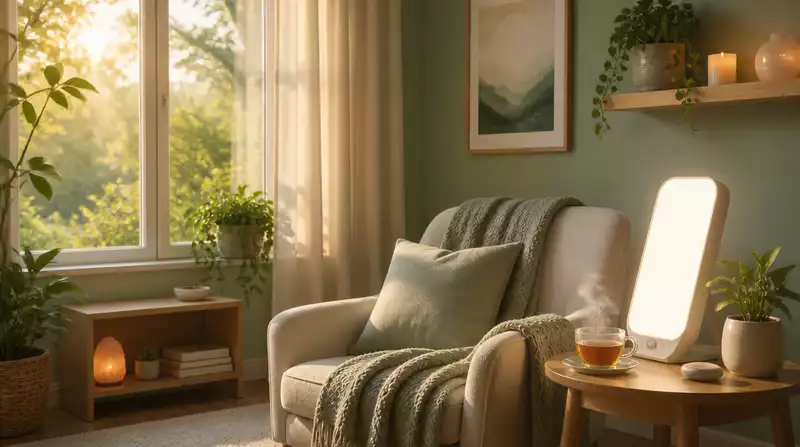
Serotonin Boost
Increases serotonin levels, improving mood and energy, essential during darker months.
Have you ever felt low during the dreary winter months? You're not alone. Many people experience seasonal shifts in their mood and energy, but there’s an enlightening solution: light therapy. This simple yet powerful therapy can make a significant difference in your overall well-being. Let's explore what you can learn about light therapy and how it can transform your life!
Light therapy can significantly influence mood and energy regulation by affecting neurotransmitters and circadian rhythms. Below is a visual representation of its key benefits and mechanisms. For more natural approaches to improving mental well-being, consider exploring holistic natural anxiety remedies.
Increases serotonin levels, improving mood and energy, essential during darker months.
Helps regulate the sleep-wake cycle, promoting better sleep quality and alertness.
Decreases melatonin production during exposure, promoting wakefulness and energy.
May alter brain wave patterns, promoting calmness and improved focus.
Have you ever found yourself feeling a bit *down* during the colder months? You’re not alone! Many people experience shifts in their mood and energy levels as the seasons change. Light therapy is an effective way to combat these fluctuations, helping to restore balance and enhance your overall well-being. At Healing Wisdom Today, we believe understanding this innovative therapy can empower individuals to embrace natural healing methods for a more vibrant life.
Essentially, light therapy involves exposure to bright artificial light that mimics natural sunlight. This can take the form of light boxes or lamps designed specifically for this purpose. The exposure to bright light helps regulate your body's internal clock, or circadian rhythm, promoting a healthier mood and increased energy. It’s fascinating how such a simple solution can lead to profound changes in our daily lives!
Light therapy works by exposing you to high-intensity light, which is beneficial during those darker months when natural sunlight is scarce. Typically, you’ll sit near a light box for a specific amount of time each day. This exposure helps increase the production of *serotonin*, a neurotransmitter that plays a crucial role in regulating mood. By boosting serotonin levels, light therapy can enhance feelings of happiness and energy. For those interested in other healing modalities that impact overall wellness, consider learning more about acupuncture for better overall wellness.
So, how does it actually work? When light enters your eyes, it signals your brain to adjust the production of certain hormones. Here’s a quick breakdown of the key components:
Scientific research supports the effectiveness of light therapy in enhancing mood and energy. When exposed to light, your body reacts in various ways that can positively influence your mental state. Studies have shown that light therapy can help alleviate symptoms of depression, especially in individuals experiencing Seasonal Affective Disorder (SAD).
The mechanisms of action include:
Seasonal Affective Disorder is a type of depression that typically occurs during the fall and winter months when sunlight is limited. It can lead to feelings of sadness, fatigue, and a lack of motivation. Fortunately, light therapy has emerged as a powerful tool in combating these symptoms.
Many individuals have found relief through light therapy by following these steps:
At Healing Wisdom Today, we advocate for exploring these natural methods to enhance your mental health and overall well-being. By understanding the role of light therapy in managing conditions like SAD, you can take empowering steps towards a brighter, more energized life!
Here's a brief recap of the key points discussed so far:
Light therapy involves exposure to bright artificial light that mimics natural sunlight. It is used to regulate the body's internal clock (circadian rhythm) and improve mood and energy levels, especially during darker months.
Light therapy helps increase the production of serotonin, a neurotransmitter crucial for regulating mood. Boosting serotonin levels can lead to enhanced feelings of happiness and increased energy.
Yes, light therapy is an effective treatment for Seasonal Affective Disorder (SAD), a type of depression that occurs during the fall and winter. Daily sessions help alleviate symptoms like sadness, fatigue, and lack of motivation.
Typically, daily sessions of 20-30 minutes in front of a light box are recommended. Consistency is key to maximizing the benefits.
By regulating the circadian rhythm and suppressing melatonin production during exposure, light therapy promotes wakefulness and alertness. This can significantly reduce daytime fatigue, improve concentration, and boost overall productivity.
Have you ever noticed that your energy levels fluctuate throughout the day? Many of us experience periods of fatigue, especially in the afternoons. This is where light therapy can play a significant role in combating daytime fatigue, helping us feel more alert and productive. By harnessing the power of light, we can enhance our energy balance and tackle those sluggish moments head-on!
Studies show that exposure to bright light can stimulate our brain's neurotransmitters, promoting alertness and focus. Just imagine starting your day with a burst of bright light! This simple action can help reset your energy levels, making it easier to stay productive throughout the day. It's not just about feeling awake; it’s about feeling energized and ready to take on challenges! For more insights into natural energy boosts, explore energy healing techniques for wellness.
Light therapy is a natural and effective way to boost your energy when you need it most. By using a light box or therapy lamp, you can mimic the bright sunlight that your body craves. This practice is especially beneficial during the winter months when natural sunlight is limited.
Here are some key points about how light therapy combats daytime fatigue:
By incorporating light therapy into your daily routine, you can create a more dynamic and energized environment, leading to increased productivity and satisfaction in your day-to-day activities!
Understanding your circadian rhythm is crucial for maximizing the benefits of light therapy. This internal clock regulates your sleep-wake cycle and can be influenced by light exposure. When you align your light exposure with your circadian rhythm, you can significantly enhance your energy levels during the day.
Here are some tips to help you align your light exposure effectively:
By making these small changes, you can support your body's natural rhythms and foster a more energetic and productive lifestyle!
Light therapy is not only effective for boosting mood but can also be a powerful tool in treating depression, especially when combined with behavioral activation strategies. This approach encourages individuals to engage in activities that promote a sense of accomplishment and joy, while light therapy provides the necessary energy boost to participate. For those looking to deepen their understanding of mental well-being, read about holistic health and mental wellness.
Here are some ways light therapy complements behavioral activation:
When you take action and combine these strategies, you're not only addressing symptoms but also enhancing your overall well-being. It's amazing to see how the power of light can transform your day!
Here is a quick recap of the important points discussed in the article:
As a passionate advocate for holistic health and alternative healing methods, I explore diverse wellness practices and herbal remedies. With a background in integrative therapies and a deep-rooted belief in the mind-body connection, my mission is to empower individuals on their healing journeys. Through insightful resources and expert perspectives, I aim to promote a balanced and enriched lifestyle for all.