Manage Inflammation with Holistic Approaches
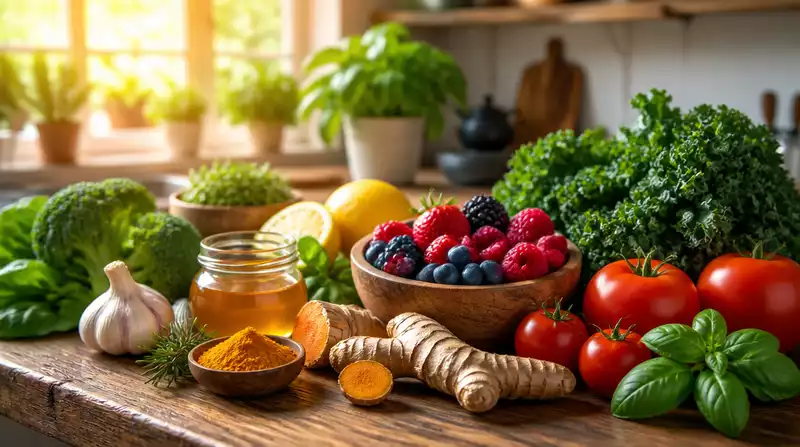
Did you know that chronic inflammation is linked to some of the most prominent health issues today? Understanding this complex process is crucial for anyone looking to improve their overall well-being. Let’s delve deeper into the essentials of inflammation and how to manage it effectively.
What You Will Learn
- Inflammation is a natural defense mechanism but can lead to serious health problems when it becomes chronic.
- Acute inflammation is short-term and beneficial, while chronic inflammation can cause long-term health issues like heart disease and diabetes.
- Implementing a personalized anti-inflammatory meal plan focused on whole foods can significantly improve health outcomes.
- Daily actions like hydration, mindfulness, and moderate exercise can effectively manage inflammation and promote overall wellness.
- Nutritional supplements like Vitamin D, Magnesium, and Omega-3 fatty acids can support inflammation reduction; consult with a healthcare professional before use.
- Engaging with your health through questions and shared experiences enhances understanding and motivation for holistic living.
Understanding Inflammation: Key Health Issues and Responses
Explore the critical health issues linked to inflammation and the types of inflammation your body experiences.
Health Issues Linked to Inflammation
- Heart Disease: Inflammation contributes to plaque buildup in arteries.
- Diabetes: Chronic inflammation reduces insulin sensitivity.
- Autoimmune Diseases: Inflammation from immune system errors.
Types of Inflammation
- Acute Inflammation: Short-term and part of the healing process.
- Chronic Inflammation: Long-term and can lead to serious health issues.
Understanding Inflammation: A Holistic Perspective
Understanding inflammation is an essential step towards achieving optimal health. At Healing Wisdom Today, we view inflammation not just as a symptom but as a complex process that plays a significant role in our overall well-being. When our body experiences injury or infection, it triggers inflammation as a natural defense mechanism. However, when this process becomes chronic, it can lead to various health issues, including heart disease, diabetes, and arthritis. For more insights on holistic practices, explore how acupuncture can improve overall wellness.
In simpler terms, it's like a fire alarm in your body that indicates something needs attention. This alarm can be helpful in the short term, helping us heal, but when it keeps ringing for too long, it can cause harm. It's crucial to understand how this works so we can take steps toward restoring balance and promoting healing.
Defining Inflammation and Its Impact on Health
Inflammation can be defined as the body's response to harmful stimuli, such as pathogens, damaged cells, or irritants. This response includes the release of various chemicals and white blood cells that work together to protect the body. However, prolonged or excessive inflammation can lead to significant health problems, making it important to recognize its impact.
Some of the main health issues linked to chronic inflammation include:
- Heart disease: Inflammation plays a pivotal role in the buildup of plaque in arteries, which can lead to heart attacks.
- Diabetes: Chronic inflammation can interfere with insulin sensitivity, making it harder for the body to regulate blood sugar levels.
- Autoimmune diseases: Conditions like rheumatoid arthritis occur when the immune system mistakenly attacks healthy tissues, resulting in inflammation.
By understanding the implications of inflammation, we can take proactive steps to manage it effectively. This is where holistic approaches come into play, offering natural methods for addressing inflammation and fostering overall wellness. Discover more about holistic nutrition and its key principles for better health.
Types of Inflammation: Acute vs. Chronic
There are two main types of inflammation: acute and chronic, each serving different functions in the body. Acute inflammation is a short-term response that occurs immediately after an injury or infection. This type of inflammation is essential for healing, as it helps the body fight off pathogens and begins the repair process.
On the other hand, chronic inflammation is a prolonged response that can last for months or even years. This type of inflammation may arise from ongoing health issues such as obesity, stress, or autoimmune conditions. Understanding the difference between these two types is crucial because they require different approaches for management.
- Acute Inflammation: Short-term, beneficial, and part of the healing process.
- Chronic Inflammation: Long-term, can lead to serious health issues if not addressed.
Recognizing these types helps us pinpoint where to focus our efforts. As we explore holistic solutions for managing inflammation, we can tailor our approaches to promote healing and restore balance in our bodies.
Pro Tip
Did you know? Incorporating anti-inflammatory spices like turmeric and ginger into your meals can significantly enhance their health benefits. These spices not only add flavor but also contain powerful compounds that help reduce inflammation in the body. Consider adding a pinch of turmeric to your smoothies or sautéing your vegetables in ginger-infused oil for an extra health boost!
Practical Tips for Implementing Holistic Solutions
When it comes to managing inflammation, taking a holistic approach means embracing a range of strategies that suit your unique lifestyle. My goal with Healing Wisdom Today is to empower you with the tools to create your personalized wellness journey. Let’s explore how you can implement these holistic solutions seamlessly into your daily routine!
One of the most effective ways to combat inflammation is by crafting your own anti-inflammatory meal plan. This plan should focus on whole foods while incorporating vibrant, nutrient-rich ingredients. Think of it as a colorful palette for your plate that not only nourishes your body but also delights your taste buds!
Creating Your Personalized Anti-Inflammatory Meal Plan
To kickstart your journey, consider these simple steps when creating your meal plan:
- Identify Your Favorite Foods: Choose foods that you enjoy and that offer anti-inflammatory benefits.
- Plan Your Meals: Dedicate time each week to plan meals and snacks, ensuring variety and balance.
- Prep Ahead: Spend a few hours prepping meals in advance, making it easier to stick to your anti-inflammatory goals.
- Stay Hydrated: Incorporate plenty of fluids, focusing on water and herbal teas to support overall health.
By following these steps, you can create a meal plan that feels personalized and sustainable, guiding you towards a healthier lifestyle! For additional tools, consider exploring herbal remedies for holistic healing.
Daily Checklist for Holistic Living: Quick Actions for Inflammation Management
In addition to your meal plan, having a daily checklist can help you stay on track. Here are some quick actions you can integrate into your routine:
- Start your day with a glass of water infused with lemon for hydration and detox benefits.
- Incorporate at least one serving of leafy greens in your meals.
- Practice mindfulness or meditation for 10 minutes to reduce stress levels.
- Engage in 30 minutes of moderate exercise, like walking or yoga.
These small yet impactful actions can greatly influence your overall health and help manage inflammation effectively.
Incorporating Nutritional Supplements: Vitamin D, Magnesium, and Omega-3 Sources
Don’t forget about the power of nutritional supplements! They can play a vital role in your anti-inflammatory strategy. Here’s a quick look at some beneficial supplements:
- Vitamin D: Supports immune function and helps regulate inflammation.
- Magnesium: Essential for many bodily functions, including reducing stress and inflammation.
- Omega-3 Fatty Acids: Found in fish oil, they help combat inflammation and promote heart health.
Remember to consult with a healthcare professional before adding new supplements to your routine to ensure they align with your specific health needs. Always prioritize safety and personalized advice when exploring herbal supplements for holistic health.
Engaging with Your Health: FAQs and Common Concerns
As we navigate through holistic health, it's natural to have questions. Engaging with your health not only empowers you but also allows for a deeper understanding of your body. I often receive inquiries about holistic approaches to inflammation, and I'm here to share those insights with you!
Frequently Asked Questions about Holistic Approaches to Inflammation
Here are some common questions I encounter, along with their answers:
- What is the best anti-inflammatory diet? A diet rich in whole foods, including fruits, vegetables, nuts, and healthy fats, is ideal.
- How long does it take to see results? Many people notice improvements within a few weeks, but it can vary based on individual health conditions.
- Can stress really affect inflammation? Yes! Managing stress through mindfulness and relaxation techniques can significantly reduce inflammation levels.
Engaging with your health is about asking questions and seeking answers that resonate with you.
FAQs on Managing Inflammation Holistically
Here are some frequently asked questions covering the main points discussed in the article:
- What is chronic inflammation and why is it harmful? Chronic inflammation is a prolonged immune response that, unlike acute inflammation, does not resolve. It can lead to serious health issues such as heart disease, diabetes, and autoimmune disorders because it continuously damages tissues and organs.
- How do acute and chronic inflammation differ? Acute inflammation is a short-term, beneficial response to injury or infection, aiding in healing. Chronic inflammation is long-term and can persist for months or years, often stemming from ongoing issues like stress, obesity, or autoimmune conditions, leading to detrimental health effects.
- What kind of foods should be included in an anti-inflammatory meal plan? An effective anti-inflammatory meal plan should focus on whole foods, including plenty of fruits, vegetables, nuts, seeds, lean proteins, and healthy fats (like olive oil and avocados). Incorporating anti-inflammatory spices like turmeric and ginger is also highly beneficial.
- Are there daily practices to help manage inflammation? Yes, daily actions such as staying hydrated with water and herbal teas, incorporating leafy greens into meals, practicing mindfulness or meditation for stress reduction, and engaging in moderate exercise like walking or yoga can significantly help manage inflammation.
- Which nutritional supplements are recommended for inflammation, and should I consult a professional? Vitamin D, Magnesium, and Omega-3 fatty acids (found in fish oil) are commonly recommended for their anti-inflammatory properties. It is crucial to consult with a healthcare professional before adding any new supplements to your routine to ensure they are appropriate for your specific health needs and do not interact with other medications.
Shared Experiences: Testimonials and Success Stories
Hearing success stories can be incredibly motivating! I often share testimonials from individuals who have embraced holistic practices and seen remarkable changes. Here are a few snippets:
- “Incorporating turmeric into my diet changed my life! I feel more energetic and less achy.”
- “Practicing yoga helped me manage stress, and I noticed my inflammation levels decreased.”
- “Switching to an anti-inflammatory diet made a huge difference in my overall well-being!”
These experiences remind us of the positive impact that holistic health approaches can have on our lives.
Conclusion: Embracing Holistic Solutions for Lasting Impact
As we wrap up this exploration into managing inflammation, remember that embracing holistic solutions is a journey. With the right tools, you can create lasting changes that enhance your well-being. I encourage you to take the insights shared here and make them your own!
Summarizing the Key Solutions for Managing Inflammation
In summary, here are the key solutions we discussed:
- Adopting an anti-inflammatory meal plan.
- Integrating daily actions into your life for holistic living.
- Utilizing nutritional supplements wisely.
- Engaging with your health through questions and shared experiences.
Each step you take is a step towards a healthier, more vibrant life.
Encouraging Action: Next Steps for a Healthier Lifestyle
Now it's time to take action! What’s your next step in this exciting journey towards better health? Whether it’s trying a new recipe, joining a yoga class, or simply reaching out for support, every little action matters. Let's embrace this journey together and continue to share our experiences for greater healing and empowerment!
Recap of Key Points
Here is a quick recap of the important points discussed in the article:
- Inflammation as a Defense Mechanism: Inflammation is a natural response to injury or infection but can become harmful when chronic.
- Types of Inflammation: Understand the difference between acute (short-term, beneficial) and chronic (long-term, harmful) inflammation.
- Holistic Approaches: Implementing a personalized anti-inflammatory meal plan and daily wellness routines can significantly impact health.
- Nutritional Supplements: Vitamin D, magnesium, and omega-3 fatty acids can support inflammation management.
- Engagement and Education: Staying informed and asking questions is key to managing inflammation effectively.

Sarina Meadows
As a passionate advocate for holistic health and alternative healing methods, I explore diverse wellness practices and herbal remedies. With a background in integrative therapies and a deep-rooted belief in the mind-body connection, my mission is to empower individuals on their healing journeys. Through insightful resources and expert perspectives, I aim to promote a balanced and enriched lifestyle for all.