Ayurveda Principles for Health Explained
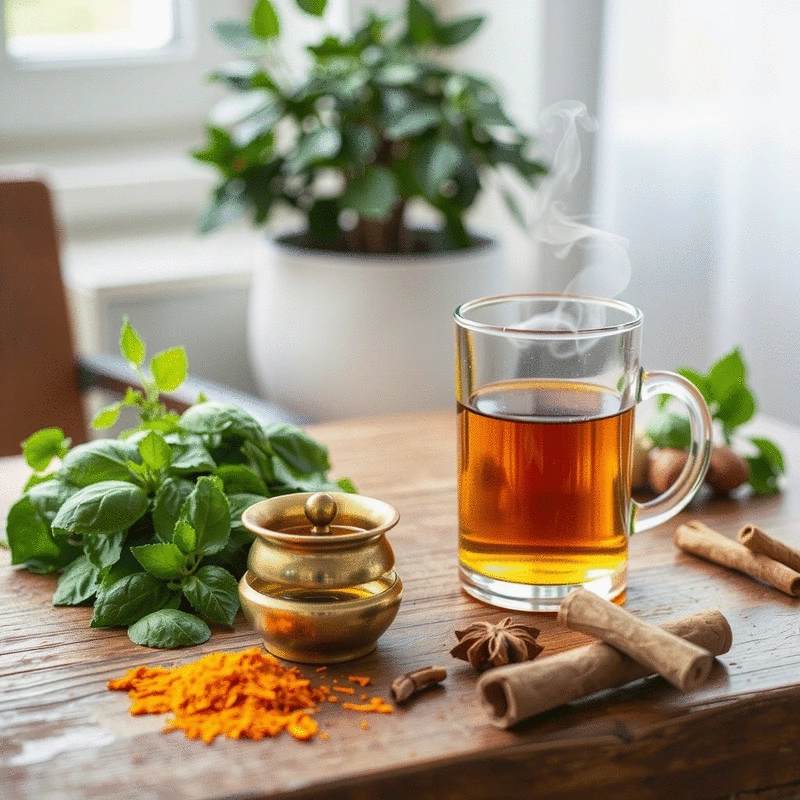
What if the key to your health lies in an ancient system that has stood the test of time? Ayurveda, with its holistic approach, offers insight into balancing the mind, body, and spirit, allowing you to lead a vibrant life. Discover how these principles can elevate your wellness journey today.
Key Takeaways
- Ayurveda teaches that health is a balance of body, mind, and spirit, emphasizing a holistic view of wellness.
- Understanding your unique constitution, known as Prakriti, can guide your dietary and lifestyle choices.
- The three Doshas—Vata, Pitta, and Kapha—affect your physical and emotional traits; recognizing them helps you align with your natural tendencies.
- Daily and seasonal routines, or Dinacharya and Ritucharya, can significantly enhance your well-being by syncing with nature's rhythms.
- Ayurveda emphasizes that food is medicine, advocating for whole, seasonal foods and the use of healing spices.
- Herbs play a crucial role in Ayurvedic practice, providing natural solutions to health issues.
- Integrating practices such as yoga and meditation fosters balance and reduces stress, contributing to a holistic health approach.
- Finding qualified Ayurvedic practitioners can enhance your wellness journey; look for certifications and patient reviews to ensure quality care.
- Consider combining Ayurvedic principles with modern medical practices for a comprehensive approach to health.
Balancing the Doshas: Vata, Pitta, and Kapha
The following diagram illustrates the characteristics and recommended practices for each dosha to maintain balance in Ayurveda.
Vata
Creative and lively but prone to anxiety. Suggested practices include grounding activities like yoga and warm, nourishing foods to promote stability.
Pitta
Driven and focused but can be fiery. Recommended practices involve cooling activities and foods, such as cucumber and mint, to balance their intense nature.
Kapha
Calm and steady but may become sluggish. To maintain balance, engaging in invigorating activities and consuming light, warming foods is beneficial.
Foundational Insights into Ayurveda's Principles for Health
Are you curious about how ancient wisdom can enhance your health today? Ayurveda, a holistic and time-tested system of medicine, offers profound insights into wellness. At Healing Wisdom Today, we explore these principles to help you tap into the natural balance of your body and mind.
Understanding Ayurveda: A Holistic Approach to Wellness
What is Ayurveda?
Ayurveda, which means "the science of life," originated in India over 5,000 years ago. It focuses on the concept that every individual has a unique constitution, or Prakriti, influenced by various factors including environment, lifestyle, and diet. This holistic approach emphasizes the interconnection of the body, mind, and spirit, making it a comprehensive path to wellness. For those interested in exploring diverse healing modalities, learning about acupuncture for better overall wellness can offer additional perspectives on holistic health.
By understanding how these elements interact, we can make informed choices that promote a balanced life. Imagine viewing your health not just as the absence of illness, but as a vibrant state of harmony! This is the essence of Ayurveda.
The Role of Ayurveda in Modern Health Practices
In our fast-paced world, Ayurveda is gaining popularity for its simple yet profound methods. Many people are looking for natural solutions to enhance their well-being, and Ayurveda offers a refreshing perspective. It encourages us to listen to our bodies and respect their needs!
- Holistic healing through natural remedies
- Personalized wellness based on individual constitution
- Emphasis on preventive care and healthy living
The Core Principles of Ayurveda Explained
Defining the Doshas: Vata, Pitta, and Kapha
In Ayurveda, the concept of the Doshas is fundamental. These are three energies—Vata, Pitta, and Kapha—that govern our physical and emotional traits. Each of us has a unique blend of these doshas that influences our health and personality.
Understanding your dosha can help you make choices that align with your natural tendencies. For example, those with a dominant Vata may benefit from grounding activities, while Pitta individuals might thrive with cooling practices. This understanding is key to unlocking your unique path to wellness, much like how mindfulness in holistic healing can guide self-awareness and balance.
Understanding Prakriti: The Unique Constitution of Individuals
Your Prakriti, or unique constitution, is determined at birth and reflects your physical, emotional, and mental characteristics. By recognizing your Prakriti, you can tailor your lifestyle and dietary choices to maintain balance.
- Vata: Creative and lively but prone to anxiety
- Pitta: Driven and focused but can be fiery
- Kapha: Calm and steady but may become sluggish
The Tridosha Concept: Balancing Vata, Pitta, and Kapha
The balance of the three doshas is crucial for maintaining health. When one dosha becomes imbalanced, it can lead to various health issues. For example, excess Vata might cause digestive problems, while an overflow of Pitta could lead to inflammation.
At Healing Wisdom Today, we encourage exploring how to balance these energies through diet, lifestyle, and mindfulness practices. By tuning into your body’s signals, you can nurture your health naturally!
Ayurveda's Holistic Balance and Its Impact on Health
Connection Between Mind, Body, and Spirit in Ayurveda
Ayurveda teaches us that our mental and emotional states significantly impact our physical health. It emphasizes the importance of nurturing all aspects of our being—mind, body, and spirit. When we cultivate this connection, we foster a deeper understanding of our health.
Consider adopting practices that promote this balance, such as meditation or yoga. These can bring clarity and a sense of peace, allowing you to navigate life’s challenges more gracefully.
How Seasonal and Daily Routines Influence Well-being
Did you know that Ayurveda places great importance on the rhythms of nature? Our bodies are deeply influenced by the cycles of the seasons and the time of day. By aligning our routines with these natural rhythms, we can enhance our overall well-being.
- Spring: Focus on detoxification and rejuvenation
- Summer: Emphasize cooling foods and activities
- Fall: Nourish with warm, grounding meals
The Role of Dinacharya and Ritucharya in Daily Life
Dinacharya, or daily routine, and Ritucharya, or seasonal routine, are essential in Ayurveda. They provide guidelines for daily habits that promote health and vitality. Simple practices like waking up early, enjoying a warm glass of water, and following a balanced diet can make a significant difference! These routines, much like understanding holistic nutrition's key principles, emphasize the profound connection between nature and our well-being.
At Healing Wisdom Today, I encourage you to create a personalized daily routine that supports your unique needs. This commitment to self-care can lead to remarkable improvements in your health.
Ayurvedic Diet and Its Health Benefits
Key Dietary Principles in Ayurveda
Ayurveda emphasizes that food is medicine! The dietary principles focus on eating whole, fresh, and seasonal foods. This approach not only nourishes the body but also supports the mind and spirit.
- Favor whole grains, fresh fruits, and vegetables
- Incorporate spices like turmeric, ginger, and cinnamon for their healing properties
- Avoid overly processed or artificial foods
Herbal Remedies: Natural Solutions for Health
Herbs play a vital role in Ayurveda, offering natural solutions for various health concerns. From Ashwagandha for stress relief to Tulsi for immunity, these potent plants have been used for centuries.
Explore herbal remedies that resonate with you, and consider incorporating them into your daily routine for enhanced wellness!
The Importance of Agni and Ojas in Digestive Health
In Ayurveda, Agni refers to digestive fire, and it’s essential for good health. Maintaining a strong Agni ensures proper digestion and nutrient absorption. Equally important is Ojas, the essence of vitality and immunity.
By focusing on these concepts, we can foster a strong foundation for our health. Paying attention to how our bodies respond to different foods and lifestyles can lead to greater well-being!
Scientific Perspectives on Ayurveda
Comparing Ayurveda and Western Medicine
While Western medicine often focuses on treating symptoms, Ayurveda looks at the whole person. This comprehensive view may lead to more effective and lasting health solutions. Both systems have their strengths, and understanding their differences can help us make informed choices.
At Healing Wisdom Today, I encourage a blend of approaches for optimal health. Embracing Ayurvedic principles alongside conventional methods can be a powerful combination!
Current Research on Ayurvedic Practices and Efficacy
Research on Ayurvedic practices is growing, with studies highlighting their effectiveness in various health conditions. Ongoing investigations into herbal remedies, dietary practices, and holistic approaches continue to validate Ayurvedic wisdom.
As we learn more, integrating these insights into our lives can enhance our journey toward wellness!
Practical Guides for Incorporating Ayurveda into Daily Life
Self-Assessment Tools: Understanding Your Dosha
Curious about your dosha? Self-assessment tools can help you identify your unique constitution. By answering simple questions about your physical, emotional, and mental traits, you can gain insight into your Ayurvedic profile.
Understanding your dosha can guide your choices in diet, lifestyle, and even emotional well-being!
Simple Ayurvedic Recipes for Health Benefits
Ready to dive into Ayurveda in your kitchen? Here are some simple Ayurvedic recipes to get you started:
- Kitchari: A nourishing dish made with rice, lentils, and spices that is easy to digest.
- Golden Milk: A delicious blend of warm milk, turmeric, and spices that supports immunity.
- Detoxifying Herbal Tea: A soothing infusion of ginger, lemon, and honey to help cleanse the system.
Incorporating Asana, Pranayama, and Meditation into Your Routine
Finally, integrating practices like yoga, breathing exercises (Pranayama), and meditation into your daily routine can significantly enhance your health. These practices foster balance, reduce stress, and promote overall well-being. Much like exploring meditation's role in holistic health, these techniques offer profound benefits for mind and body.
At Healing Wisdom Today, I believe that a holistic approach—including physical, emotional, and spiritual practices—can lead to transformative changes. Let's embrace this journey together!
Pro Tip
Did you know? Incorporating a simple morning routine can significantly enhance your Ayurvedic practice. Start your day with a glass of warm water infused with lemon to kickstart your digestion and hydrate your body. This small yet impactful change aligns with the Ayurvedic principle of Agni, or digestive fire, and can set a positive tone for the rest of your day!
Frequently Asked Questions (FAQs) about Ayurveda
Ayurveda, meaning "the science of life," is an ancient holistic medical system that originated in India over 5,000 years ago. It focuses on balancing the mind, body, and spirit for overall wellness.
Doshas are three energies (Vata, Pitta, and Kapha) that govern our physical and emotional traits. Prakriti is your unique constitution determined at birth, influenced by these doshas, and guides personalized lifestyle and dietary choices.
Dinacharya (daily routines) and Ritucharya (seasonal routines) are essential Ayurvedic practices that align our habits with natural rhythms. By following these guidelines, such as waking early or adjusting diet to seasons, we can enhance vitality and maintain balance.
Ayurveda emphasizes that food is medicine, advocating for whole, fresh, seasonal foods and healing spices. Proper digestion, governed by Agni (digestive fire), is crucial for health, as is Ojas, the essence of vitality and immunity.
Panchakarma is a cornerstone of Ayurveda, a therapeutic process designed to detoxify and rejuvenate the body. It involves a series of personalized treatments, such as oil massages and herbal steam baths, to cleanse toxins and restore balance.
Engaging with Ayurveda: Community and Resources
Embracing Ayurvedic principles involves more than just understanding its concepts; it also means connecting with the right community and resources. Whether you're just starting your journey or looking to deepen your practice, finding supportive practitioners and access to trustworthy information is essential. Here, I'll share some insights into where to find Ayurvedic practitioners, explore treatments, and how to evaluate your options.
Finding Ayurvedic Practitioners and Clinics
Locating an Ayurvedic practitioner can significantly enhance your wellness journey. One effective way to find local clinics is through local SEO. This means looking for practitioners who have optimized their online presence to appear in your searches. Here are some strategies for finding qualified Ayurvedic clinics:
- Search online directories that specialize in alternative medicine.
- Check social media platforms for recommendations and reviews.
- Visit local health stores or wellness centers that may have connections to practitioners.
As you seek out these professionals, consider the services they offer. For instance, treatments like Panchakarma can be instrumental in your Ayurvedic experience, providing a focused approach to detoxification and rejuvenation. Understanding what to expect from these treatments is vital in making informed choices.
The Importance of Local SEO for Ayurvedic Clinics
When searching for Ayurvedic clinics, the power of local SEO cannot be understated. Clinics that invest in their online visibility make it easier for you to find them. Here’s how you can benefit:
- Access to updated information on services and availability.
- Read reviews from other patients to gauge the quality of care.
- Discover special events or workshops that can enhance your understanding of Ayurveda.
Resources for Researching Treatments Like Panchakarma
Understanding treatments such as Panchakarma is essential for your health journey. Various resources can help you explore these options thoroughly:
- Books and online courses on Ayurvedic practices.
- Websites dedicated to holistic health and wellness.
- Ayurvedic blogs and forums where practitioners and clients share insights and experiences.
Understanding Panchakarma: Detoxification and Rejuvenation
Panchakarma is a cornerstone of Ayurveda, designed to detoxify and rejuvenate the body. This process typically involves a series of therapeutic measures that cleanse the body of toxins. Here’s what you should know:
- Panchakarma includes methods like oil massages, herbal steam baths, and cleansing enemas.
- Each treatment is tailored to your unique dosha, making it a personalized experience.
- It aims to restore balance and enhance overall health, which aligns perfectly with our mission at Healing Wisdom Today: Ayurveda in Modern Healing Explained.
How to Evaluate Ayurvedic Treatments and Practitioners
Choosing the right Ayurvedic practitioner requires thoughtful evaluation. You want to ensure that you're receiving care that resonates with your health goals. Here are some tips for assessing practitioners:
- Look for certifications and qualifications specific to Ayurveda.
- Read patient reviews to gauge satisfaction and results.
- Ask about their approach to treatments and how they tailor them to individual needs.
Patient Reviews and Testimonials: Building Trust
Patient feedback is invaluable when selecting an Ayurvedic practitioner. Reviews and testimonials can provide insights into the effectiveness of treatments and the practitioner's approach. Look for:
- Consistent positive feedback regarding treatment outcomes.
- Comments on the practitioner's attentiveness and care.
- Experiences that highlight the personalized nature of their services.
Identifying Evidence-Based Practices in Ayurveda
While Ayurveda is rooted in ancient traditions, it's essential to combine these practices with modern science. Look for practitioners who integrate evidence-based approaches into their treatments. This might include:
- Utilizing current research to support treatment plans.
- Providing clear, understandable explanations of their methods.
- Encouraging open discussions about how Ayurvedic practices complement other wellness strategies.
Conclusion: Embracing Ayurvedic Principles for Enhanced Health
Summarizing the Benefits of Understanding Ayurveda
As we've explored, engaging with Ayurveda opens up a pathway to holistic health that honors the mind-body connection. Whether through community resources or personal reflection, the journey of understanding Ayurveda can enrich your life.
Call to Action: Start Your Journey with Ayurveda Today
Are you ready to embrace the healing wisdom that Ayurveda offers? Start by exploring local practitioners, researching treatments, and reflecting on how these principles can fit into your life. At Healing Wisdom Today, we’re here to support you on this journey, providing insights and resources to empower your healing path!
Recap of Key Points
Here is a quick recap of the important points discussed in the article:
- Ayurveda is a holistic system of medicine that emphasizes the balance of body, mind, and spirit, tailored to individual constitutions known as Prakriti.
- The three Doshas—Vata, Pitta, and Kapha—are essential to understanding health and wellness; each person has a unique blend that influences their physical and emotional traits.
- Daily and seasonal routines (Dinacharya and Ritucharya) play a crucial role in maintaining health by aligning lifestyle choices with natural rhythms.
- Ayurvedic diet principles encourage whole, fresh foods and the use of healing spices, highlighting the idea that food is medicine.
- Engaging with local Ayurvedic practitioners and utilizing resources like online directories can enhance your wellness journey.
- Panchakarma is a significant detoxification process in Ayurveda, tailored to individual needs for optimal rejuvenation.
- Integrating evidence-based practices with Ayurvedic traditions can lead to a more comprehensive approach to health.

Sarina Meadows
As a passionate advocate for holistic health and alternative healing methods, I explore diverse wellness practices and herbal remedies. With a background in integrative therapies and a deep-rooted belief in the mind-body connection, my mission is to empower individuals on their healing journeys. Through insightful resources and expert perspectives, I aim to promote a balanced and enriched lifestyle for all.