Reiki Healing
Focuses on channeling energy from the practitioner to the recipient.
- Promotes relaxation and emotional balance.
- Can be practiced on oneself or others.
What if you could tap into a universal energy source that promotes healing and well-being? This is the essence of Reiki healing, an ancient practice that has transformed lives around the world. As you delve into this guide, you'll discover how to harness this energy for your own healing journey.
Understanding the differences between Reiki and other energy practices enhances your healing journey.
Focuses on channeling energy from the practitioner to the recipient.
Involves self-generated energy through movement and breath.
Have you ever felt the gentle touch of someone’s hands and noticed an immediate sense of calm wash over you? That’s a bit like what Reiki healing offers! It’s an ancient practice that taps into the universal life energy around us to promote healing and well-being. As someone who is passionate about holistic health, I find Reiki to be a beautiful way to connect with the natural energies that flow through our bodies. You can learn more about various energy healing techniques for wellness to complement your Reiki practice.
At its core, Reiki healing is a technique that uses gentle touch or distance healing to channel energy. This energy is believed to help restore balance and harmony within the body. Think of it as a way to boost your body's natural healing abilities! It can be practiced on yourself or others, and many people find it deeply relaxing and rejuvenating.
The roots of Reiki can be traced back to the early 20th century in Japan, where it was developed by Mikao Usui. His journey began with a desire to discover a method for healing that went beyond conventional medicine. Over the years, Reiki has evolved, spreading across the globe and integrating into many wellness practices. Today, it resonates with those seeking both physical and emotional healing!
One of the fundamental beliefs in Reiki is that there’s a universal life energy that flows through everything, including us! This energy sustains our bodies and spirits. When we experience stress or illness, this energy can become blocked. Reiki helps to unblock these energies, promoting a sense of peace and well-being.
In Reiki, we also focus on chakras, which are energy centers within our bodies. There are seven main chakras, each associated with different physical, emotional, and spiritual aspects of our being. Here’s a quick overview:
Understanding and balancing these chakras is key to holistic well-being, much like how balancing your chakras with energy can contribute to overall health.
Reiki is guided by five core principles that encourage us to live positively. They include being honest, not angering, and showing gratitude, among others. These principles not only enhance the healing process but also inspire us to lead more fulfilling lives. Isn’t it amazing how healing goes beyond just the physical?
Reiki is well-known for its ability to reduce stress and promote relaxation. Many beginners notice a shift in their emotional balance after just a few sessions. Imagine feeling lighter and more in control of your emotions! With Reiki, it's possible.
Many people find that engaging with Reiki can deepen their spiritual awareness. As we connect with this energy, we may gain insights about ourselves and our life's purpose. It’s like turning on a light in a dark room—suddenly, everything is clearer!
Reiki can also be an effective tool for managing anxiety and physical pain. Here are some practical applications you might explore:
By practicing Reiki, we can foster mindfulness, allowing us to be present in each moment. This awareness can lead to profound emotional healing. It helps release negative emotions, making space for joy and positivity in our lives. Isn’t that a wonderful aspect of this practice? For a deeper dive into embracing mindfulness, consider exploring mindfulness in holistic healing.
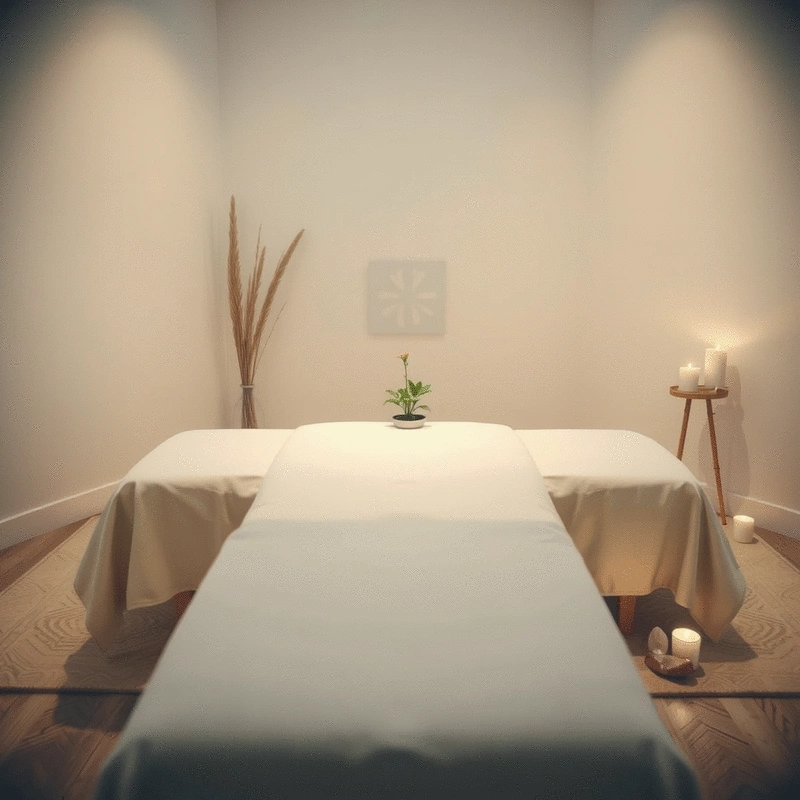
During a typical Reiki session, you will lie down fully clothed while the practitioner lightly places their hands on or near your body. The atmosphere is often calm, with soft music and soothing scents. You’re encouraged to relax and let go of any tension. Each session is unique and tailored to your current needs!
Practitioners use specific hand positions to channel energy to different parts of the body. Here are a few common positions:
In advanced levels of Reiki, symbols are used to deepen the healing experience. These symbols represent different energies and intentions, allowing for focused healing. They serve as reminders of the power of energy and our connection to the universe.
Reiki practitioners typically progress through three levels, each involving different techniques and symbols. The first level focuses on self-healing and basic techniques, while advanced levels dive deeper into energy work and healing practices. Understanding these levels can help guide your Reiki journey!
Even as a beginner, you can start exploring self-healing techniques! Here are a few simple methods to get started:
Finding the right Reiki teacher is crucial for your growth. Look for someone who resonates with you and has a solid background in Reiki practices. Remember, this journey is personal, and your teacher should support your unique path!
If you’re considering a deeper commitment to Reiki, many courses and certifications are available. Researching these options can help you find the right fit for your learning style and goals, ensuring you embark on a fulfilling journey in the world of Reiki.
It’s common to feel different sensations during a Reiki session. If nothing seems to happen, don’t worry! Each person’s experience is unique, and it may take time to feel the effects. Trust the process and give yourself grace—healing takes many forms!
Many people are curious about how Reiki compares with other energy practices, such as Qigong. While both focus on energy flow, Reiki is more about channeling energy from the practitioner, whereas Qigong often involves self-generated energy through movement. Understanding these differences can help you choose the right path for your healing journey.
Energy blockages can impede healing and cause discomfort. Recognizing these blockages is the first step in resolving them. Reiki can help clear these barriers, allowing for a smoother flow of energy throughout your body. Embracing this practice can lead to significant improvements in your overall well-being!
Have you ever experienced Reiki healing? We’d love to hear from you! Please share your thoughts:
As you embark on your Reiki healing journey, making informed decisions is crucial. Whether you're exploring classes or finding a teacher, it's essential to weigh your options carefully. At Healing Wisdom Today, we believe that understanding your choices can empower you in your quest for wellness. Let’s delve into how to navigate this process smoothly!
When considering Reiki training, you might find yourself deciding between online and in-person options. Each has its unique benefits! Online courses offer flexibility and convenience, allowing you to learn at your own pace. However, in-person classes provide hands-on experience and immediate feedback from instructors, enhancing your learning.
Another important aspect is understanding the risks associated with DIY attunement. While it may seem appealing to learn from books or online resources, a lack of proper guidance can lead to incomplete understanding or energy mismanagement. It’s often best to seek guidance from a qualified Reiki Master, who can support your journey effectively. You can also explore acupuncture for better overall wellness as another healing modality.
When selecting a Reiki class, consider the following factors to ensure a rewarding experience:
Finding a course that feels right for you is essential. A supportive environment fosters a deeper understanding and connection with Reiki, which can enhance your healing journey.
Many people are curious about the scientific basis for Reiki healing. Research studies have explored its effects on relaxation, pain reduction, and emotional well-being. It’s fascinating to see how ancient practices intertwine with modern wellness science. As you engage with Reiki, it can be beneficial to stay informed about ongoing studies and findings!
Today, technology offers various tools that can complement your Reiki practice! Consider using wellness apps that focus on meditation or mindfulness, as these can enhance the benefits of Reiki. For example:
By integrating these tools, you can deepen your understanding and experience of Reiki, complementing the energy healing process.
Building connections with others interested in Reiki can be incredibly rewarding! Finding local Reiki classes and communities can open doors to shared experiences and support. At Healing Wisdom Today, we encourage you to seek out groups or workshops that resonate with you, enhancing your journey. For those interested in a similar approach to well-being, exploring community's role in holistic healing might also be beneficial.
Hearing stories from others can inspire and motivate you. Look for testimonials or case studies that showcase the transformation others have experienced through Reiki. These insights can provide context and reassurance as you explore your path.
Whether you’re reading about others' journeys or sharing your own, the community aspect of Reiki can enrich your experience!
As we wrap up this exploration, let’s recap some key benefits of Reiki for beginners. From reducing stress to enhancing emotional balance, Reiki offers a holistic approach to well-being. I encourage you to take your first steps in this journey and discover how it can transform your life! You can also find additional insights on holistic self-care routine guide to further support your well-being.
Are you ready to embrace the healing power of Reiki? Start by finding a class, reading up on techniques, or even trying a self-healing session! The path to wellness is waiting for you, and at Healing Wisdom Today, we’re here to support you every step of the way. Let’s embark on this journey together!
Here is a quick recap of the important points discussed in the article:
As a passionate advocate for holistic health and alternative healing methods, I explore diverse wellness practices and herbal remedies. With a background in integrative therapies and a deep-rooted belief in the mind-body connection, my mission is to empower individuals on their healing journeys. Through insightful resources and expert perspectives, I aim to promote a balanced and enriched lifestyle for all.