Reflexology for Stress Relief
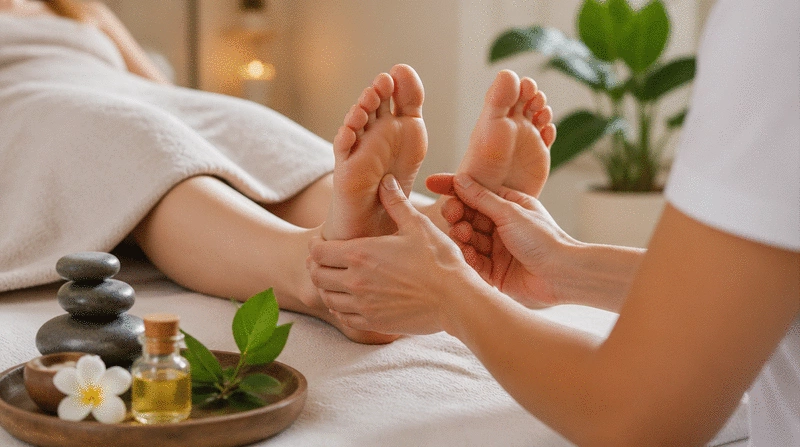
What if you could unlock the secrets of your body through the power of touch? Reflexology, an ancient practice that maps the body onto specific points of the feet, hands, and ears, offers a remarkable way to promote relaxation and reduce stress. This holistic approach doesn't just treat symptoms; it helps uncover the interconnectedness of your body and mind, paving the way for a healthier, more balanced you.
What You Will Learn
- Reflexology promotes relaxation and reduces stress by stimulating the body's natural healing processes.
- The practice enhances circulation, contributing to overall health and wellness.
- Reflexology is a non-invasive technique that addresses both physical and emotional aspects of health.
- Regular reflexology sessions can significantly improve mental health by reducing anxiety and enhancing mood.
- Simple reflexology techniques can be performed at home, making stress relief accessible to everyone.
- Understanding reflex points fosters a deeper mind-body connection, promoting overall well-being.
Exploring the Benefits of Reflexology for Stress Relief
Reflexology offers a holistic approach to stress management by targeting specific reflex points on the body. Below is a visual representation of key benefits and techniques associated with reflexology.
Benefits of Reflexology
- Promotes relaxation and reduces stress.
- Enhances circulation, aiding overall health.
- Stimulates endorphin release for mood improvement.
Reflexology Techniques
- Thumb Walking: A technique for stimulating reflex points.
- Pressure Holds: Focused pressure on specific points to alleviate tension.
Mental Health Improvements
- Reduces anxiety and enhances mood.
- Alleviates physical symptoms of stress, suchs as headaches.
Holistic Approach
- Treats the body as a whole.
- Addresses root causes of stress.
The Fundamentals of Reflexology and Its Role in Stress Reduction
Have you ever wondered what reflexology truly is? It’s a holistic approach that taps into the natural healing potential of our bodies, focusing on specific points on the feet, hands, and ears. Practiced for centuries, reflexology is built on the belief that these areas correspond to different organs and systems. By applying pressure to these points, you can promote relaxation, enhance circulation, and support your overall wellness. At Healing Wisdom Today, we embrace this ancient art as a pathway to nurture our bodies and minds. To learn more about other healing modalities, consider exploring your local acupuncture clinic.
Reflexology is more than just a foot massage—it's a way to encourage balance within ourselves. When stress takes hold, our bodies often react in ways that can lead to discomfort or illness. Reflexology works by stimulating the body's natural healing processes, making it a valuable tool for anyone looking to manage stress effectively. Imagine feeling the tension melt away as skilled hands work on your pressure points, bringing a sense of calm to your busy day!
Understanding Reflexology: A Holistic Approach to Wellness
At its core, reflexology embodies a holistic approach to wellness, addressing both physical and emotional aspects of health. This technique encourages us to look beyond our immediate ailments and consider how different body systems are interconnected. For instance, when you experience a headache, it may not just be a standalone issue; it can be linked to stress or tension in other areas of your body. Reflexology provides insights into these connections, allowing you to tailor your healing journey.
As I’ve explored alternative methods through my journey at Healing Wisdom Today, I’ve found that reflexology inspires a deeper understanding of our bodies. By tapping into this ancient practice, we can foster greater awareness of what our bodies are telling us. It’s like having a conversation with yourself, where each pressure point reveals a story waiting to be uncovered. This awareness is also a key component of mindfulness in holistic healing.
- Reflexology promotes relaxation and reduces stress.
- It enhances circulation, aiding in overall health.
- This technique is non-invasive and holistic.
The Connection Between Reflexology and Stress Relief
The relationship between reflexology and stress relief is profound. When we are under stress, our bodies often enter a state of fight-or-flight, leading to muscle tension and discomfort. Reflexology encourages the release of built-up tension in the body, helping to restore balance. By gently stimulating reflex points, we send signals to the brain that promote relaxation, leading to a reduction in stress levels.
Interestingly, studies have shown that regular reflexology sessions can lead to significant improvements in mental health. Many practitioners report feeling lighter and more at ease after a session, making it a wonderful practice to incorporate into our self-care routines. It's amazing how a simple touch can create such a profound impact on our emotional well-being!
- Stimulates endorphin release, promoting relaxation.
- Reduces anxiety and enhances mood.
- Helps alleviate physical symptoms of stress, such as headaches and muscle tension.
Pro Tip
Did you know? Combining reflexology with aromatherapy can enhance your relaxation experience. Essential oils like lavender or chamomile can be used during your reflexology sessions to create a calming atmosphere, further promoting stress relief and overall wellness. Consider adding a few drops to your massage oil or using a diffuser in your relaxing space! For more insights, explore aromatherapy's role in stress relief.
Frequently Asked Questions About Reflexology and Stress Relief
Reflexology is an ancient practice that applies pressure to specific points on the feet, hands, and ears, which correspond to different organs and systems in the body. It aims to promote relaxation, improve circulation, and support overall wellness.
Reflexology helps reduce stress by stimulating the body's natural healing processes, releasing built-up tension, and encouraging the release of endorphins. This leads to a reduction in stress levels, improved mood, and alleviation of physical symptoms like headaches.
Yes, reflexology is a holistic approach to wellness. It treats the body as a whole, addressing both physical and emotional aspects of health and recognizing the interconnectedness of different body systems.
Absolutely! Simple reflexology techniques like "thumb walking" and "pressure holds" can be easily performed at home. Many resources like books and videos are available for guided practices, making stress relief accessible to everyone.
Regular reflexology sessions can lead to significant improvements in mental health by reducing anxiety and enhancing mood. They also promote relaxation, enhance circulation, alleviate physical symptoms of stress, and foster a deeper mind-body connection.
Summarizing the Impact of Reflexology on Stress Management
Reflexology offers a gentle yet powerful approach to managing stress. By understanding the body’s reflex points, we can tap into a natural way to promote relaxation and well-being. Many who have embraced reflexology have discovered its profound impact on both their mental and physical health, making it a valuable tool in the journey toward holistic wellness.
Reflecting on the techniques and points covered earlier, it’s clear that integrating reflexology into daily routines can foster a sense of calm and balance. For anyone looking to ease anxiety or tension, the methods discussed can serve as a practical and effective starting point. Remember, at Healing Wisdom Today, we believe that every small step towards self-care is a victory!
Key Takeaways on Reflexology Techniques for Stress Relief
As we wrap up our exploration of reflexology, here are some key points to remember:
- Holistic Approach: Reflexology focuses on treating the body as a whole, addressing not just the symptoms but the root causes of stress.
- Targeted Techniques: Specific reflex points, such as the solar plexus, can significantly enhance feelings of relaxation.
- Simple Practices: Techniques like thumb walking and pressure holds can be easily performed at home, making stress relief accessible to everyone.
- Mind-Body Connection: Reflexology nurtures a deeper understanding of how our physical and emotional states intertwine.
With these insights, I hope you feel empowered to use reflexology as a consistent part of your wellness journey. It’s about finding what resonates with you and creating a routine that nurtures your body and mind!
Encouraging Self-Care Through Reflexology Practices
Next Steps: Incorporating Reflexology Into Your Wellness Routine
Now that you’re familiar with the benefits of reflexology, it’s time to take action! Here are some steps to help you incorporate reflexology into your daily life:
- Start small by dedicating 5-10 minutes each day to practice reflexology techniques.
- Set up a calming space where you can relax—think of soft lighting and soothing music.
- Use resources like books or videos for guided reflexology practices.
- Consider scheduling regular reflexology sessions with a certified practitioner to deepen your experience.
At Healing Wisdom Today, we are here to support you on this journey. Remember, every step you take towards self-care is a step towards a healthier, happier you! For more comprehensive guidance, explore our holistic self-care routine guide.
Invitation to Share Your Reflexology Experiences and Success Stories
Have you tried reflexology? I would love to hear about your experiences! Sharing your journey not only helps you reflect but can inspire others to explore these healing practices too. Feel free to leave your comments or stories on our website.
Engaging with a community that values holistic health can be incredibly enriching. Sharing tips and tricks fosters a supportive environment where we can all learn and grow together. So, what’s your story? Let's connect!
Exploring Relaxation Techniques and Stress-Reducing Activities
Beyond reflexology, there are numerous relaxation techniques that can complement your stress management journey. Here are some activities to consider incorporating into your routine:
- Meditation: Taking time to meditate can help center your thoughts and reduce anxiety.
- Deep Breathing Exercises: Practicing deep breathing can calm your mind and body within minutes.
- Gentle Yoga: Combining movement with mindfulness can enhance your overall sense of well-being.
- Nature Walks: Spending time in nature has profound effects on reducing stress and promoting peace.
Integrating these activities alongside reflexology creates a comprehensive approach to nurturing your health. Let’s embrace self-care together and continue to explore the many avenues toward wellness, including holistic natural anxiety remedies!
Recap of Key Points
Here is a quick recap of the important points discussed in the article:
- Holistic Approach: Reflexology treats the body as a whole, addressing both physical and emotional aspects of health.
- Stress Relief: It effectively reduces stress by stimulating the body's natural healing processes and promoting relaxation.
- Techniques: Simple reflexology techniques, such as thumb walking, can be easily performed at home to encourage relaxation.
- Mind-Body Connection: Reflexology enhances awareness of how physical and emotional health are interconnected.
- Self-Care Integration: Incorporating regular reflexology sessions into your routine can significantly improve mental health and overall well-being.

Sarina Meadows
As a passionate advocate for holistic health and alternative healing methods, I explore diverse wellness practices and herbal remedies. With a background in integrative therapies and a deep-rooted belief in the mind-body connection, my mission is to empower individuals on their healing journeys. Through insightful resources and expert perspectives, I aim to promote a balanced and enriched lifestyle for all.