Relief from Pain
Many individuals report significant reduction in back and neck pain.
Have you ever considered how ancient practices like cupping therapy are making a comeback in modern wellness? This fascinating approach not only taps into historical healing methods but also offers a plethora of benefits for those seeking holistic health.
Cupping therapy offers various health benefits that contribute to overall well-being. Below are important aspects of what cupping can help with:
Many individuals report significant reduction in back and neck pain.
Cupping can help ease muscle tension and promote relaxation.
The therapy enhances blood flow, which is vital for healing.
Cupping may help alleviate inflammation in various conditions.
Cupping therapy is a fascinating form of alternative medicine that has gained popularity in recent years. It involves using glass or silicone cups to create suction on the skin, which is believed to enhance circulation, relieve pain, and promote relaxation. At Healing Wisdom Today, we are excited to explore this ancient practice and its potential benefits for holistic health and mental wellness!
Cupping has a variety of techniques and styles, each offering unique experiences. Whether you’re curious about how it works or considering it for yourself, understanding the basics can help you navigate your wellness journey effectively.
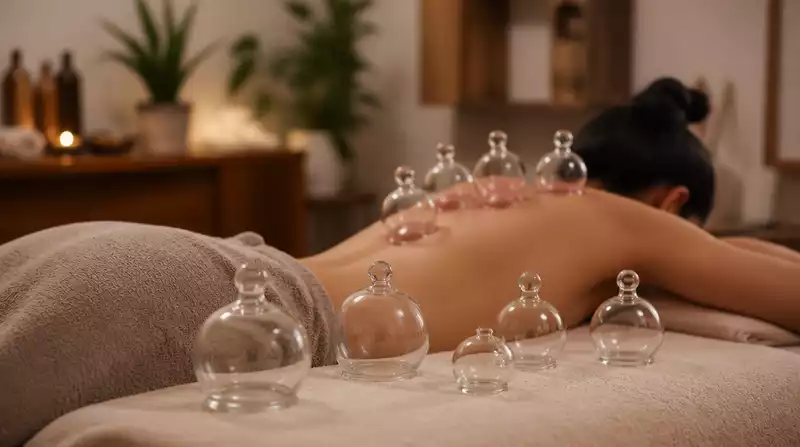
At its core, cupping therapy brings together the principles of suction and pressure to promote healing. During a session, practitioners place cups on specific areas of the body, creating a vacuum effect. This process draws the skin and underlying tissues into the cup, which can lead to a refreshing sensation and a host of potential health advantages.
People often turn to cupping for various reasons, including pain relief, muscle relaxation, and even to support recovery from injuries. Imagine feeling a sense of relief wash over you as the pressure is released and blood flow increases—this is just one of the experiences you might encounter during a cupping session!
The history of cupping therapy dates back thousands of years, with origins traced to ancient Egyptian, Chinese, and Middle Eastern cultures. It’s fascinating to think about how this practice has stood the test of time! Over the centuries, cupping has evolved, adapting to cultural shifts and incorporating various techniques.
In ancient times, cupping was often used to treat ailments such as fever and infections. Today, we see a resurgence of interest in this time-honored therapy, with practitioners employing modern techniques and tools to enhance its effectiveness and accessibility for everyone.
Within the framework of Traditional Chinese Medicine (TCM), cupping holds a significant place. It’s often used in conjunction with acupuncture and herbal remedies to create a comprehensive approach to healing. The underlying philosophy of TCM focuses on balancing the body’s energy, or Qi, and cupping is believed to help remove stagnant energy from the body.
Many individuals who seek alternative healing find that incorporating cupping into their wellness routines can be transformative. As someone passionate about holistic health, I believe that understanding the roots of these practices can deepen our appreciation and connection to them.
Before your first cupping session, consider discussing your health history with your practitioner. This can provide crucial insights into your body’s unique needs and enhance the effectiveness of the therapy. Additionally, staying hydrated before and after your session can improve circulation and support the detoxification process.
As we wrap up our discussion on cupping therapy, it's important to reflect on the key points we’ve covered. This ancient practice offers a range of benefits, including relief from chronic pain, enhanced muscle recovery, and improved blood circulation. Most importantly, understanding the safety aspects of cupping is equally crucial as it ensures a positive experience for everyone.
In summary, here are the key takeaways regarding the benefits and safety of cupping therapy:
Considering cupping therapy? It's essential to manage your expectations before diving in. Many times, people imagine dramatic relief after just one session. While cupping can be transformative, results can vary based on individual circumstances.
Here are some aspects to think about as you prepare for your first cupping experience:
At Healing Wisdom Today, I often encourage individuals to keep a journal of their experiences with different therapies, including cupping. This reflective practice can help you understand what truly resonates with you on your healing journey.
Ready to explore cupping therapy? The next step is to consult with a knowledgeable practitioner who can provide personalized insights tailored to your specific needs. This connection is invaluable, as they can guide you through the process, explaining what to expect and answering any questions you may have.
Remember, finding a practitioner who aligns with your values and wellness goals is critical. Look for someone who is experienced and can address your concerns, whether they’re about safety or specific health conditions.
Community plays a significant role in shaping our understanding of therapies like cupping. Engaging with others' experiences can provide deeper insights and help alleviate any apprehensions you might have. Consider joining local workshops or online forums focused on alternative healing.
Here are a few ways to connect with the community:
At Healing Wisdom Today, I encourage everyone to share their journeys and insights. Your story might inspire someone else to embark on their own healing journey!
Here is a quick recap of the important points discussed in the article:
As a passionate advocate for holistic health and alternative healing methods, I explore diverse wellness practices and herbal remedies. With a background in integrative therapies and a deep-rooted belief in the mind-body connection, my mission is to empower individuals on their healing journeys. Through insightful resources and expert perspectives, I aim to promote a balanced and enriched lifestyle for all.